Wildlife work looks straightforward from the outside. Set a cage, catch the animal, carry it away. Anyone who has actually done it knows better. Every job is a mix of ladders and insulation, droppings and electrical hazards, and an animal that has its own plans. Safety is not a set of rules you check once a year. It is a series of small decisions that keep you from getting scratched, falling through a ceiling, driving a raccoon into a chimney, or breathing in something that will make you sick next week.
What follows comes from years in wildlife control, from crawlspaces that smelled like a wet basement and old hay, from attics that rained guano dust when the HVAC kicked on, from roofs slick with morning dew. Whether you are a licensed wildlife trapper or a homeowner on a Saturday troubleshooting noises in the wall, the safety practices are the same in spirit. Respect the animal. Respect gravity. Respect the air you breathe.
The big picture: safety is a process, not a product
People talk about gear first. Gear matters, but it is only one leg of the stool. Safe wildlife removal lives on three supports: planning, equipment, and behavior. Planning covers site assessment and legal constraints. Equipment means PPE, ladders, traps, disinfectants, even your vehicle. Behavior is the judgment to slow down, change tactics when the animal changes, and stop when the situation drifts outside your competence.
A simple job illustrates it. You have a squirrel in an attic. Without planning, you might set a lethal body-grip trap at the wrong exit and kill the lactating female. The kits die in a soffit, rot, and draw flies into the master bedroom. With planning, you identify entry points and season, you use a one-way door for humane wildlife exclusion, then set a multi-catch repeater on the exterior in case of juveniles. Equipment gives you a respirator and crawl boards in the attic, a ladder with stand-off arms for the eave, bite-proof gloves for handling. Behavior keeps you off the roof when the wind gusts and tells you to postpone until the rain passes.
Legal ground and ethical footing
Every jurisdiction has its own rules on trapping, transport, and release. Some states allow relocation of certain species within defined distances, others require on-site release or humane euthanasia. Rabies vector species such as raccoons, skunks, and bats often have strict handling protocols. If you operate as a wildlife exterminator or a wildlife trapper for hire, you already know licensure and reporting come with the territory. DIYers tend to miss the legal piece, and that is where good intentions can turn costly.
The ethical side runs parallel. Exclusion is safer and smarter than removal when it is feasible. A one-way device, properly installed and monitored, lets animals exit and prevents return with less handling risk. Lethal control has a place, but it should be a last resort and done exactly right. In my crew, we adopted a simple rule: if there is a nonlethal path that solves the client’s problem and protects the animal and the techs, we take it, even if it takes a day longer.
Risk recognition: hazards you cannot see until they bite
Most injuries in wildlife control do not come from bites. They come from ladders, roofs, and air quality. Bites and scratches are serious, but falls and respiratory exposures are what take people out of the field.
Attics are an obvious example. Loose fill insulation conceals joists, electrical runs, and HVAC lines. One distracted step and a knee goes through the drywall. The fix is simple practice: always step on joists or use a crawl board. Bring adequate lighting, at least 500 lumens per headlamp, and back that with a hand torch in case the headlamp dies. Avoid working over can lights or near bath fans without inspecting for heat or wiring damage. And do not rely on a dust mask when you disturb droppings, nesting, or bat guano. A properly fitted elastomeric half-face respirator with P100 filters is the minimum for dusty attic work. In areas with histoplasmosis risk, that is non-negotiable.
Crawlspaces introduce a different set of hazards: low-clearance, moldy air, sharp construction debris, nails, and occasional standing water. Waterproof knee pads and a Tyvek or similar disposable suit keep fiberglass and soil off your skin. A good habit is to scan with a flashlight before entry for live electrical, loose ductwork, and critters that prefer tight spots like skunks and opossums. If you smell fresh skunk odor, slow down. Skunks back up when cornered. Give them space and an exit before you crawl in.
Roof work demands a ladder that meets or exceeds duty rating and extends three feet beyond the gutter if you are stepping off. We switched to ladders with integrated levelers after one shaky placement on a sloped driveway. Roof boots and a simple fall-arrest setup reduce risk further. Professionals should be tied in when working above ten feet, and that bar drops when you’re on tile or metal. DIYers should think twice about roof work altogether. If the entry is high and access awkward, hire it out. A $300 service call is cheaper than a broken wrist.
Animal behavior and what it means for your hands and face
Species matter. Squirrels mouth and nibble. Bats tangle. Raccoons feint and grab. Skunks telegraph. Understanding those patterns helps you position your body and tools.
Raccoons are strong, particularly adult males in winter. A caught raccoon can torque a cage and find a finger if you get casual. Use a transfer cage or a rigid shield when moving them. Skunks will stamp, turn, and lift. If they present and you do not back off, you are getting sprayed. The simple fix is a skunk cover on a properly sized cage, slow movements, and no sudden changes in light. Bats are a rabies vector species. If a bat is in a bedroom where people were sleeping, you are in public health territory. In many places, that means testing the bat if it is captured. Gloves alone are not enough for bat handling. Use a container capture method with a lid, and keep hands well clear.
Rodents bring their own vectors. Deer mice can carry hantaviruses in some regions. House mice and rats contaminate more than they bite. The safe play is to avoid sweeping or vacuuming droppings dry. Mist them with a disinfectant rated for viruses, keep that P100 on, and remove waste wet.
Snakes are a wildcard. Most calls turn out nonvenomous, but misidentification is common. If you do not have venomous training and tools, do not improvise. Close doors to confine the animal, call someone who does this work, and keep pets and people back. Every technician I know has turned down snake work at some point, and no one regrets that decision.
PPE that actually gets worn
Gear only protects you if you use it consistently. Make it easy and comfortable. A few items have earned permanent spots in our trucks.
- Respiratory: Half-face elastomeric respirator with P100 filters for dust and droppings, plus cartridges rated for organic vapors when using solvents or some disinfectants. Hands and arms: Bite-resistant gloves for handling cages and reaching into voids, nitrile disposables for cleanup and chemical work. Sleeve guards for attic work with fiberglass. Eyes and head: Low-profile safety glasses that fit under a headlamp. A bump cap for low-clearance spaces and a hard hat for construction sites or tree work. Skin and clothing: Disposable suits for dirty jobs, breathable long sleeves for summer, tick gaiters in tall vegetation. Tape cuffs to gloves when working in heavy contamination. Footwear: Supportive boots with good tread for roofs and ladders. Rubber overboots for crawlspaces with water.
No one loves wearing a respirator in August. Rotate people on attic work. Hydrate. If you only bring hot, uncomfortable gear, you’ll cut corners. Choose equipment that fits and feels manageable. Your compliance will go up, and your exposure will go down.
Tools that reduce risk
Certain tools are safety tools, even if they are marketed as productivity boosters. A thermal camera, for instance, can spot a living nest pocket in insulation so you do not rake blindly and surprise a mother raccoon. An inspection camera lets you look behind a soffit without ripping it open. One-way wildlife exclusion devices, properly installed, keep you out of confined spaces with live animals. Cage transfer boxes and bite shields keep your hands from reaching where you cannot see. A pole with a noose attachment has a narrow use, but when you need distance to guide an animal into a container, it keeps you out of range.
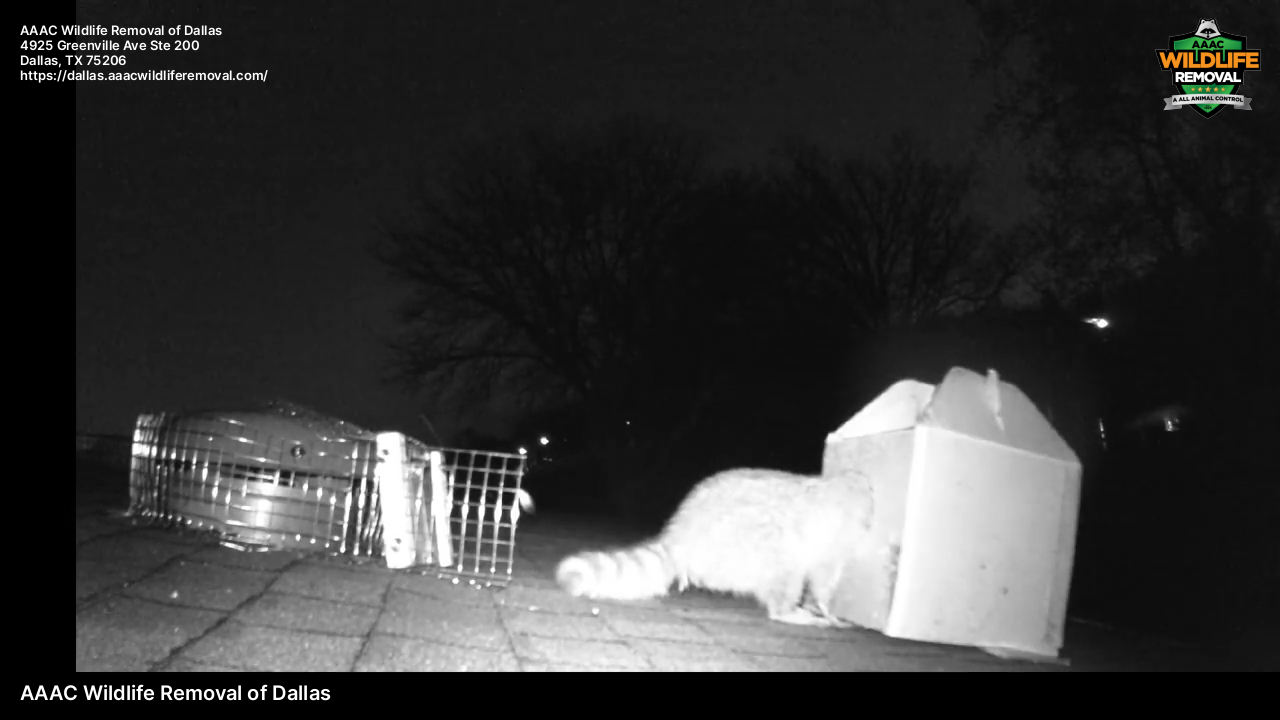
Camera traps are underrated. A small Wi-Fi or cellular camera placed at an entry point tells you species, time of movement, and whether juveniles are present. That changes everything about timing. If you see a squirrel bring nesting material in and out every 20 minutes, you probably have a nest. If raccoon movement peaks at 3 a.m., schedule your exclusion checks accordingly.
Even your truck layout matters. Secured storage prevents traps from sliding, disinfectants from tipping, and tools from becoming projectiles in a sudden stop. Keep a dedicated biohazard bin for waste. Keep clean water on board for rinsing and first aid.
Disease exposure and what to do about it
Zoonotic risk is part of wildlife removal. Realistic awareness is more useful than fear. Bats are the rabies headline, but raccoons and skunks are also rabies vectors in many regions. Any bite or scratch from these species is a medical event. Wash immediately, document, and contact public health. Post-exposure prophylaxis is effective, and timing matters. For professionals, pre-exposure rabies vaccination is a wise investment if your workload includes bat and raccoon work.
Leptospirosis from raccoon urine, salmonella from reptiles and birds, histoplasmosis from bat guano, and hantavirus in some mouse populations all deserve respect. The pattern is similar: avoid aerosolizing droppings, wear appropriate respiratory protection, and sanitize gear after use. Use EPA-registered disinfectants with label instructions for dilution and contact time. Put used PPE and waste in sealed bags, label them, and dispose of them according to local regulations. Do not toss fouled insulation in a client’s curbside trash without checking rules.
Ticks and fleas are the hitchhikers. A raccoon eviction can dislodge a flea population into a living room within minutes. Prepare clients for that possibility and have an action plan, whether that is on-site treatment by a licensed pest pro or a rapid application of appropriate products where legal. Inspect yourself for ticks at breaks and day’s end. Lyme and other tick-borne diseases are common in our line of work, and early removal helps.
Ladders, roofs, and weather: gravity always wins
Most field accidents I have seen came down to impatience on ladders. The ladder angle was too steep. The feet were on soft ground. The lock was not fully engaged. The tech overreached to the left. Add dew, a little wind, and a heavy trap, and the odds catch up.
Develop boring habits. Use ladder levelers or crib the feet on firm blocks. Tie off at the top when you can. Use a stand-off to sit the ladder on the wall, not on the gutter. Keep three points of contact. If you cannot reach without leaning, climb down and move the ladder a foot. If your gut tells you the roof is sketchy, it is. On metal roofs, roof jacks and planks are not optional. Arrange the job so you carry traps up empty and return for a second trip rather than carrying weight on that first climb.
Weather pushes people into trouble. Rain makes everything slick. High wind takes a ladder and slaps it sideways. Heat saps concentration. Schedule roof work early in the day and watch the forecast. When it turns marginal, pivot to interior prep, shop work, or inspections. It is tough to bill a rain day. It is tougher to work with a busted ankle.
Trapping and exclusion done safely
Choosing the right trap and placement reduces animal stress and human risk. For squirrels on a roof, a positive-set repeater cage mounted over the entry point catches the animal as it exits, removing bait as a variable and preventing non-target capture. For skunks, a narrow, covered trap keeps them calm and contained. For raccoons at ground level, a sturdy cage on even footing, anchored to prevent tipping, keeps you and the animal safer. Body-grip traps are effective and unforgiving; they should not be used by DIYers and should rarely be used on structures where pets or people might encounter them.
One-way wildlife exclusion devices are the quiet heroes. Installed at the primary entrance with secondary holes sealed, they let animals leave on their schedule. The risk is orphaning juveniles. That is where timing and inspection matter. In spring and early summer, check for dependent young. Use a mirror, thermal camera, or a careful physical inspection. If kits are present, either delay exclusion until they are mobile or perform a hands-on removal of the family, then reunite them at an alternative den box or nursery shelter just outside, secured from predators. Done right, this reduces bite risk and damage compared to trapping adults that will chew back in to reach their young.
Seal work should be durable and neat. Wildlife exclusion relies on materials that resist chewing: galvanized hardware cloth, metal flashing, thick sealants, and proper fasteners. Foam is a gap filler, not a barrier. It is fine as a backing for sealant but not a primary defense. The safety angle is simple: a rushed patch invites a return visit, more ladder time, more exposure. Do it once, do it right.
Communication with clients reduces hazards
Safety extends beyond the field to how you set expectations. When a homeowner understands the plan, they are less likely to interfere or create risks. Tell them not to approach trapped animals, not to relocate cages, not to open attic accesses, and to keep pets away from exclusion points. Explain the possibility of flea emergence or odd noises during the first night. Provide a brief written handout if you can. For DIYers, make a plan that includes family roles. Who keeps the dog inside? Who watches the kids while you are on the roof? Simple steps prevent rushed mistakes.
For repeat commercial clients, build a site-specific protocol. Where are ladder tie-ins? What roof areas are off-limits? What time of day is best to avoid customer traffic? If you are working in restaurants or healthcare settings, coordinate with facility managers about infection control, containment barriers, and off-hours work.
Transport, release, and what happens after capture
Transport is part of safety. Traps ride level and secure, covered to calm the animal and prevent attention. In hot weather, shade and airflow matter; in cold, wind chill does. Never transport in a trunk or enclosed space without ventilation. Keep paperwork handy if your jurisdiction requires proof of permit. For release or relocation, follow the law and practical ethics. Do not drop an animal into an area where it will starve or displace others. Understand that relocation survival rates for many mammals are not high, and disease risks are real, which is why many agencies limit or forbid it.
After release or euthanasia where permitted and warranted, disinfect traps and tools. Wash your hands and forearms, even if you wore gloves. Log the job details: species, sex, condition, presence of young, entry points, client instructions, and any exposures or near misses. Those notes become training gold.

When to walk away
Good judgment sometimes means declining a job. Here are situations where backing out is the safe call: bat maternity colonies during peak pup season when exclusion would strand young; beehives or wasp nests in confined cavities when you lack protective suits and training; snake identification uncertain with possible venomous species; unstable structures with rot, fire damage, or hurricane impact; heights that require scaffolding or lifts you do not have.
Referrals build trust. If you need a licensed pest control operator, a structural contractor, or a specialized wildlife removal firm with rope access skills, say so. Clients appreciate honesty more than bravado.
Training and habits that keep you in the game
Safety fades when work gets busy. The antidote is routine. Start each day with a quick truck check: PPE stock, ladder condition, filters in date, disinfectant levels, first-aid kit contents. Review the day’s sites and note special risks. After jobs, decontaminate high-touch tools and wash hands before you write the invoice or eat lunch.
Mentor new techs deliberately. Let them watch seasoned hands place a ladder, set a one-way door, or handle a skunk trap. Debrief near misses without blame. Create a culture where someone can say, this roof does not feel right, and you listen.
Continuing education matters. Regulations change. Products improve. Attend trainings from your state wildlife agency, industry associations, or reputable manufacturers. For DIYers, a morning spent reading your state’s wildlife control guidelines and a call to a local wildlife control operator for advice before you start can prevent hard lessons later.
DIYers: how to decide what you can handle
Plenty of homeowners can do basic wildlife exclusion safely: seal gaps with hardware cloth, cap a chimney with a proper spark arrestor, screen a dryer vent, install a one-way squirrel door during the right season. The line you should not cross is live handling of rabies vector species, climbing steep or high roofs without experience, and working in confined spaces with poor air and electrical hazards. If you are unsure whether young are present, if you cannot confirm all entry points, if the roof pitch makes you uneasy, call a professional. You may still do part of the job, like interior cleanup or future-proofing vents, but bring in expertise for the risky piece.
If you decide to proceed on a modest, single-story exclusion, think in steps. Inspect thoroughly in daylight, photograph entry points, check for signs of nursing females, set up one-way devices with camera monitoring, verify exit activity for a few nights, then seal. Move at the animal’s pace. Hurrying creates problems that take more time to fix.
Cleanup and restoration without regrets
Sanitation is not glamorous, and it is where many exposures occur. Wet methods win. Mist contaminated areas, scoop bulk waste into doubled bags, and use HEPA vacuums for fine dust. Replace fouled insulation rather than stirring it around. Spray, remove, spray again, then install new material. Keep traffic paths clean with drop cloths and change filters in the home’s HVAC if contamination reached ducts. For heavy bat guano or long-term rodent infestations, consider a professional remediation crew with full PPE and negative air machines. Explain to clients why this matters: cleaner air, fewer odors, reduced pathogen load.
A note on language: removal, control, exclusion, extermination
Clients search for wildlife removal, wildlife control, and even wildlife exterminator when they need help. Inside the trade, many of us favor exclusion first, control when necessary, and reserve extermination for extreme cases and only within legal allowances. Words matter because they signal your approach. If you are a professional, explain that your goal is to resolve conflicts by keeping animals out, not by waging war on them. If you are a homeowner, look for providers who talk about inspection, sealing, and one-way doors more than traps and toxins. Safer outcomes follow that mindset.
What experience teaches, the hard way
A few lessons earned in the field stick with me. I once set traps on a flat roof late on a fall afternoon, thinking I’d save time before a storm. The wind came early. A trap slid, bumped a downspout, and spooked the raccoon we were targeting. We spent hours the next week undoing the avoidance behaviors we created. The fix was obvious in hindsight: wait for calm, secure traps with extra anchors, and plan placements where movement cannot create noise.
Another time, a junior tech swept a small attic without a respirator because he was just going to be a minute. He was sick the next day, missed two shifts, and learned quickly that those “minutes” are when exposures happen. We changed our rule the week after: if you break the attic hatch, you wear a respirator, even for a peek.
And I have told more than one homeowner that the safest thing they can do is close the bedroom door with a bat inside, tuck a towel under the gap, and call. The temptation to swat or catch it bare-handed is strong. Every time someone waited, we captured the bat calmly with a container and had it tested when appropriate. No drama, no bites, no what-ifs.
The steady path to safer work
Wildlife jobs are messy, varied, and satisfying when done right. The safest operators I know are not the toughest or the most daring. They are the ones who are consistent. They use the same ladder habits on a one-story porch that they use on a three-story gable. They put the respirator on for small attics and big ones. They check for young even when the calendar says it is probably late. They carry an extra headlamp battery. They decline work that invites regret.
Whether you make your living as a wildlife trapper or you are a homeowner solving a single problem, https://telegra.ph/Raccoon-Removal-in-the-City-Managing-Nighttime-Nuisance-Safely-02-04 aim for that consistency. Plan before you touch a tool. Favor wildlife exclusion over direct confrontation. Respect disease risks without letting fear run the job. Communicate clearly. Document. Clean up as if you live there yourself. Safety lives in those small choices. And those choices, repeated, make you better at wildlife removal and better at coming home unhurt, day after day.